Showing posts with label Literature. Show all posts

Monday, November 28, 2011

"Look at that subtle off-white coloring. The tasteful thickness of it. It even has a watermark. "


So the irony of the situation is this:

a. I just finished reading The Great Gatsby last night.
b. It is far too late for me to still be up reading blogs, but here I am.
c. I was literally just getting ready to close up the 'ole macbook when whaBAM, I came across the coolest art that I've found in a while.

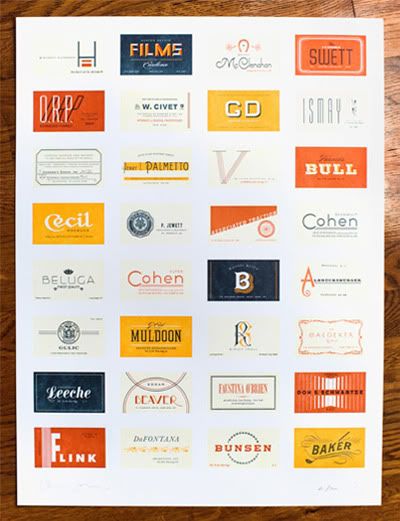
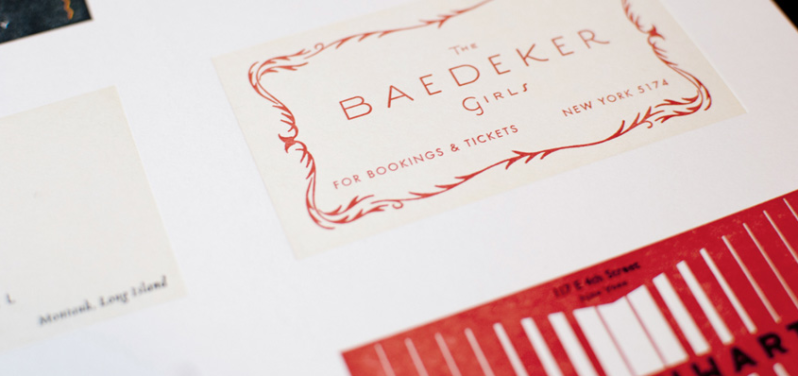
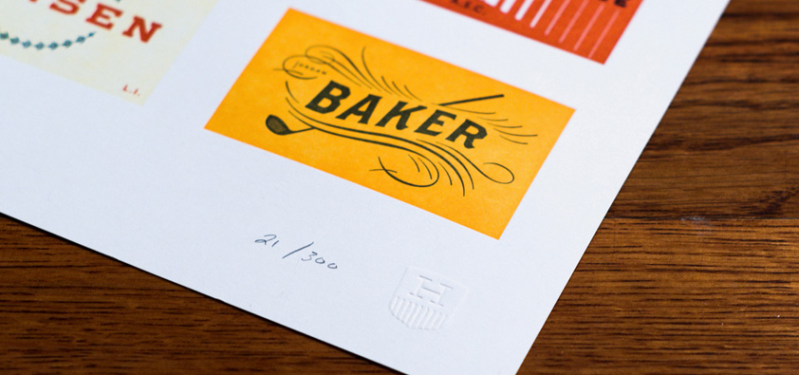
Christmas wish list item numero uno - The Heads of State Great Gatsby "Business Card" Poster Print


Its description according to the site:

"Chapter four of F. Scott Fitzgerald's The Great Gatsby reads like a VIP guest list of the Jazz Age. Taking inspiration from those pages, this poster is comprised of the business cards and personal stationery of the movers and shakers that attended Gatsby's parties in the summer of 1922."

And sure enough, pp. 61-63

"From East Egg, then, came the Chester Beckers and the Leeches, and a man named Bunsen, whom I knew at Yale, and Doctor Webster Civet, who was drowned last summer up in Maine...From West Egg came the Poles and the Mulreadys and Cecil Roebuck and Cecil Schoen and Gulick the state senator and Newton Orchid, who controlled Films Par Excellence...Benny McClenahan always arrived with four girls...I have forgotten their names...and their last names were either the melodious names of flowers and months or the sterner ones of the great American capitalists whose cousins, if pressed, they would confess themselves to be...


...In addition to all these I can remember that Faustina O'Brien came there at least once and the Baedecker girls and young Brewer who had his nose shot off in the war."


Oh, and I mustn't forget the lovely Miss Golf Pro Herself...


I WANT.

[Btw, the title quote is Patrick Bateman on business cards in case you were stumped.]

Thursday, September 22, 2011

"Strangeness & Charm"


-Florence & The Machine-


"On sped my rainbow, fast as light;
I flew as in a dream;
For glorious rose upon my sight
That child of Shower and Gleam."

pp. 317 Jane Eyre; Mr. Rochester's song.


Copper Tubing Beaded Charm by Betsy Youngquist - 3D Non-Functional Jewelry

Monday, September 12, 2011

"Like heath that, in the wilderness, the wild wind whirls away."

I very much liked this outfit.
Going for pizza at Pino's with Alex tonight.
Today we decided that we want to have a dog some day and name him/her Pilot, like Mr. Rochester's dog in Jane Eyre.


Title: "Fallen is Thy Throne"
A poem by Sir Thomas Moore

Quoted pp. 131 Jane Eyre

Wednesday, July 6, 2011

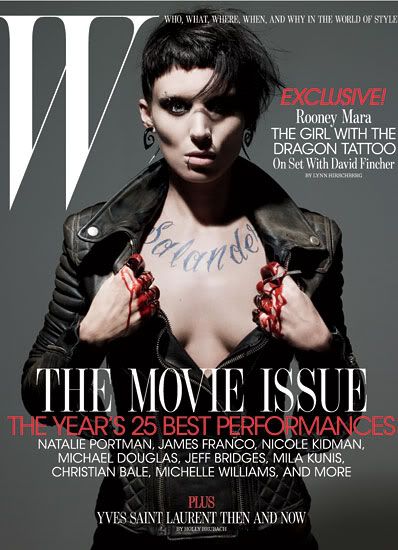
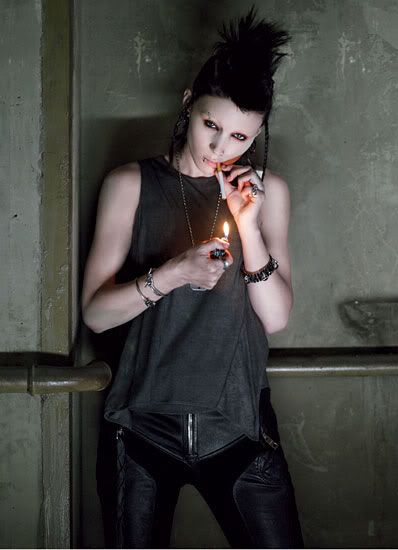
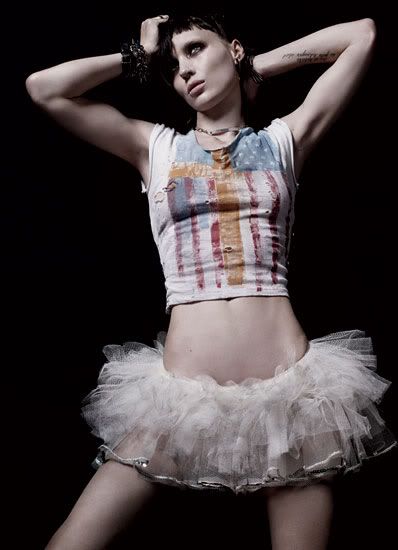
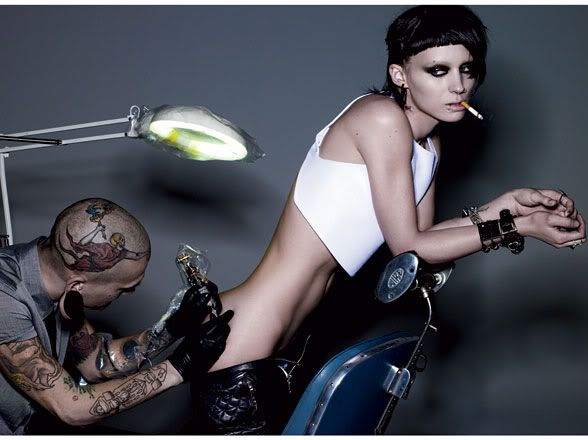
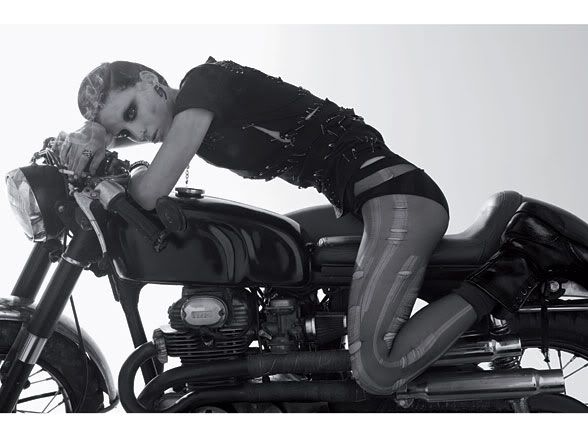
Fincher's Tribute to Larsson

After much perseverance, I have finally finished reading Dostoevsky's The Double and am now very excited to move on to Stieg Larsson's The Girl With the Dragon Tattoo. I understand that I may be jumping on the bandwagon a tad late, but no matter! I'll very happily move from one psycho thriller to the next.

Here are some promo photos from W Magazine for David Fincher's American film version (Rooney Mara as Lisbeth Salander). Kinda racey...

Can't wait to start my new read and certainly can't wait to see it on screen. Expected theatrical release December 21, 2011.


Phantom.

I have had the pleasure of performing as Meg Giry in a production of Phantom of the Opera at Rock Valley College's Starlight Theater this summer, and in honor of our second and last run (starting Wednesday, July 6th!), I wanted to blog about some of the intellectual morsels I've discovered in my research concerning the story and its general history.

. . . . . . . . . . . . . . . . . . . . . . . . . . . . . . . . .

"Overture"


. . . . . . . . . . . . . . . . . . . . . . . . . . . . . . . . .


"Who is this angel, this angel of music..."

To begin, I'll say that the musical is only a semblance of the book by French author Gaston Leroux. I read the latter during rehearsals, and despite its differences, the novel's sinister ambiance - the rat-strewn cellars of the Paris Opera, mid-19th century - stirred a fearful curiosity I've learned to use in the show.


The novel concentrates much less on the musical's "pre-opera diva" protagonist Christine and much more on the attempts of her wealthy suitor Raul to apprehend the opera's "Phantom," a deformed man named Erik who kidnaps Christine after her first performance as lead. Raul is approached by an ambiguous character called "the Persian" who lives in the bowels of the opera house and associates himself with Erik through their shared time in India, the personal knowledge of whom he knows will help Raul in his efforts to save Christine.

Totally absent from the stage production (and regretfully so, I must say), the Persian offers narrative insight into Erik's troubled past and the malevolent motivation behind his gruesome actions. Entire chapters are devoted to the Persian's accounts, the most important being his explanation of their acquaintance. Erik, commissioned by a czar in India to build an architecturally elaborate palace impenetrable by the czar's enemies, is suspected of potential treason as he is the only person who could navigate an enemy through the palace's many labyrinths. Paranoia causes the czar to want his architect executed, so he employs the Persian to complete the task. However the Persian, similar to the huntsman in Snow White's tale, takes pity on his victim and fakes the execution, exiling him to Paris and thus saving his life.

And here is where the plot of the musical begins. At the beginning of the show, all we know of the deformed Phantom is that he is gifted as both musician and architect and that he has become perversely obsessed with a young opera singer, so much so that he pretends to be the spirit of her deceased father and commits violent crimes to obtain her love. We only see how his physical insecurities and deranged desire for ultimate power over Christine drive him to insanity; nothing is ever said of what he's endured in the past.

To be honest, the book was somewhat dry at times, and the musical is absolutely beautiful and redemptive in its depiction of Christine's forgiving relationship with the Phantom. But I'm grateful to have learned some historical (be it fictional) background into the Phantom's troubled psyche.

I also learned from the novel that the underground labyrinths and lakes of the Paris Opera actually exist! They were built as an anti-irrigation system so that the opera wouldn't flood and were also used as a sort of "underground railroad" during the Revolution.

. . . . . . . . . . . . . . . . . . . . . . . . . . . . . . . . .

"Andre, please don't shout. It's publicity, and the take is vast. Free publicity!"
"But we have no cast..."


My fellow castmates Erin and Megan also contributed to my interest in Phantom trivia. Erin brought a book called The Complete Phantom of the Opera to a rehearsal one night, and I must have spent at least an hour flipping through the history of the tale in all of its forms: literature, film, television, and stage theater. The best part was the book's inclusion of artwork: the early illustrations of Joseph Hope Williams, vintage movie advertisements/photo-clips from different film versions including Rupert Julian's 1925 silent adaptation with Lon Chaney, and Degas-inspired paintings done by Robert Heindel that capture different scenes from the original musical in London.


Joseph Hope Williams


Rupert Julian's 1925 version


Arthur Lubin's 1943 version


"I'm Here, I'm Here, I'm Here"--Robert Heindel


"The End of Innocence"


"Phantom Dancers" [My personal favorite, as my character Meg is one of the ballerinas ;]


"Sarah and Michael, Music of the Night"


"The Phantom, Michael Crawford"


"The Phantom of the Opera"


"The Phantom, Michael Crawford"


. . . . . . . . . . . . . . . . . . . . . . . . . . . . . . . . .


"Why so silent, good messieurs? Did you think that I had left you for good..."


Megan introduced me to the idea that the short story "The Masque of the Red Death" by Edgar Allen Poe may very well have inspired the costuming and overall feeling of peril adopted by Andrew Lloyd Webber for the first scene of the musical's second act, "Masquerade."

Here's an excerpt I found especially befitting:

"It was in this apartment, also, that there stood against the western wall, a gigantic clock of ebony. Its pendulum swung to and fro with a dull, heavy, monotonous clang; and when the minute-hand made the circuit of the face, and the hour was to be stricken, there came from the brazen lungs of the clock a sound which was clear and loud and deep and exceedingly musical, but of so peculiar a note and emphasis that, at each lapse of an hour, the musicians of the orchestra were constrained to pause, momentarily, in their performance, to hearken to the sound; and thus the waltzers perforce ceased their evolutions; and there was a brief disconcert of the whole gay company; and, while the chimes of the clock yet rang, it was observed that the giddiest grew pale, and the more aged and sedate passed their hands over their brows as if in confused reverie or meditation. But when the echoes had fully ceased, a light laughter at once pervaded the assembly; the musicians looked at each other and smiled as if at their own nervousness and folly, and made whispering vows, each to the other, that the next chiming of the clock should produce in them no similar emotion; and then, after the lapse of sixty minutes,

(which embraces three thousand and six hundred seconds of the Time that flies,)

there came yet another chiming of the clock, and then were the same disconcert and tremulousness and meditation as before."


. . . . . . . . . . . . . . . . . . . . . . . . . . . . . . . . .

"God give me courage to show you, you are not alone."

Last but not least, I came across a verse the other day that reminded me of what I believe to be one of the most profound themes belonging to the famed story, regardless of the medium in which it takes form...


Psalm 39:5

"You have made my days a mere handbreadth; the span of my years is as nothing before you. Each man's life is but a breath.

Man is a mere phantom as he goes to and fro:

He bustles about, but only in vain; he heaps up wealth, not knowing who will get it.

But now, Lord, what do I look for?

My hope is in you."

Sunday, June 26, 2011

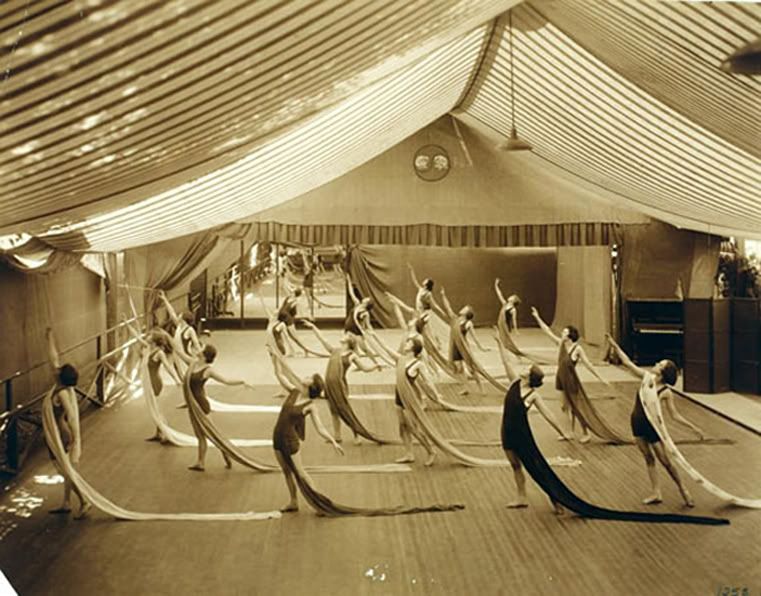
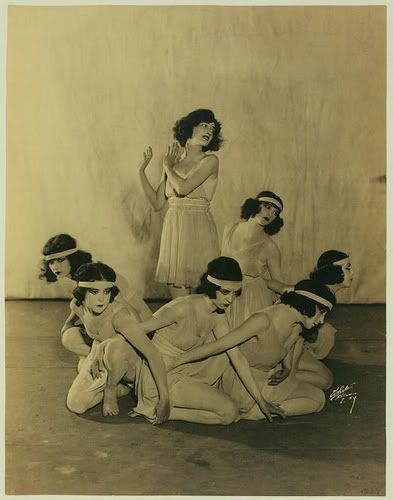
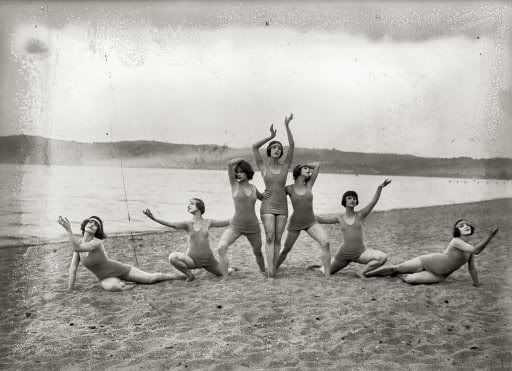
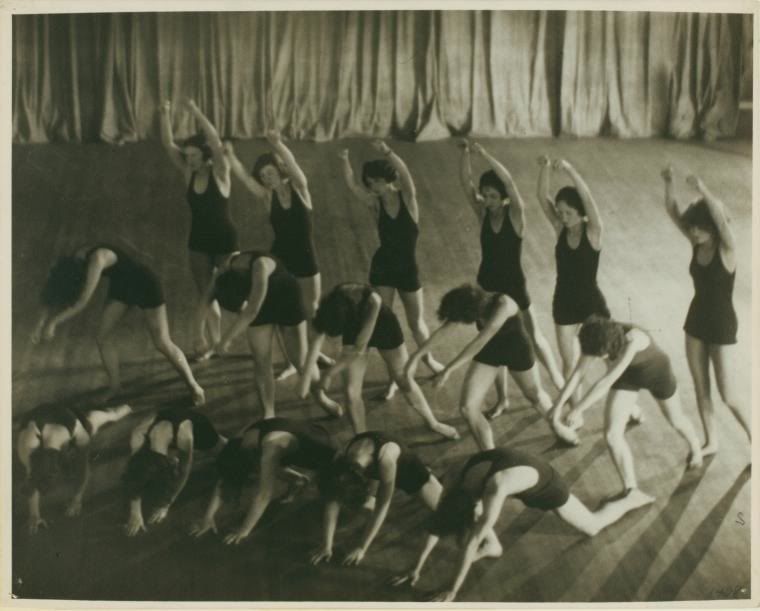
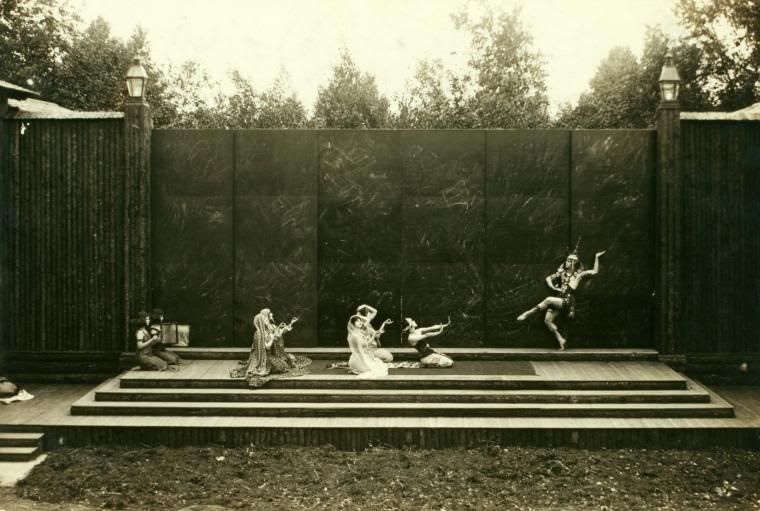
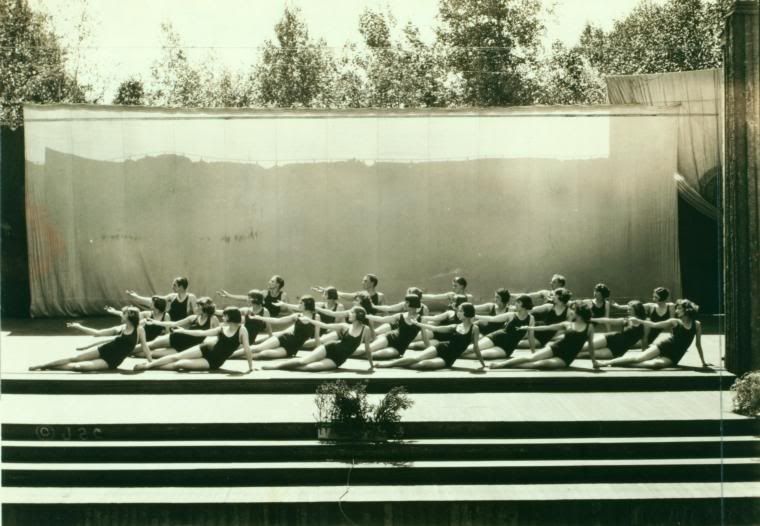
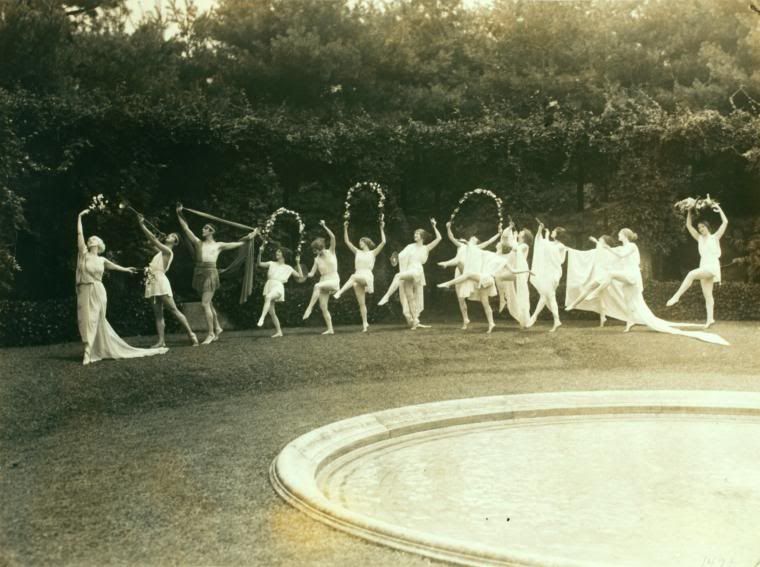
Denishawn and Modern Dance.


C.o. A Secret Forest: The Birth of Modern Dance

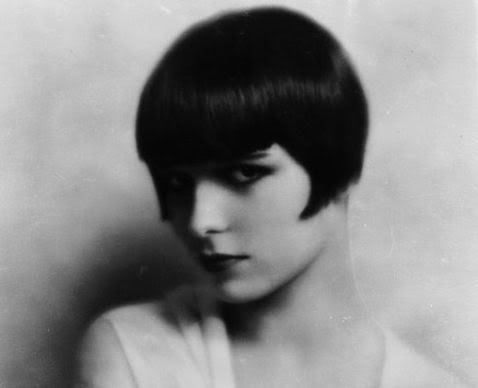
I came across the blog linked above shortly after I'd finished Barry Paris's biography of 1920s film savant Louise Brooks, and though I didn't learn any new details about the Denishawn Company for Modern Dance that she joined at a meager 15, I did love that it has a complete collection of photography from that period of her life.

Doris Humphrey (standing) and directly to the right is Louise.


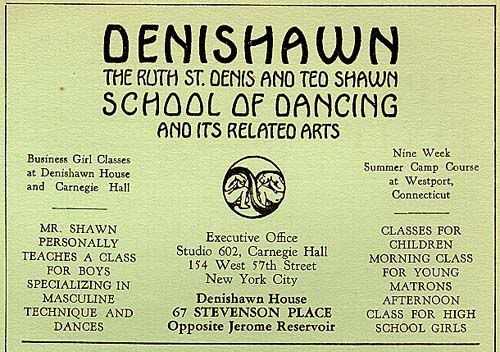
It's been a few months since I finished Paris's bio, and from time to time I still think about how much I relate to Louise when it comes to our passion for modern dance. Starting when I was only 9, I danced for 10 years at a studio that concentrated heavily on modern and even took a course on Isadora Duncan's techniques through intensive core work, contraction, and continuous movement. Denishawn, started by Louise's mentors Ruth St. Denis and Ted Shawn, esteemed many of the same techniques as Duncan and may have even pioneered them on the public stage more successfully than she. The company heralded beautiful, fluid movement unlike any other.

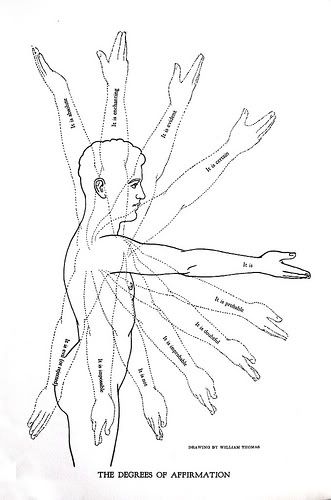
The "motivational science of movement," as explained by Barry Paris in his biography, was a theory belonging to French philosopher Francois Delsarte (1811-1871) and one that Ted Shawn closely emulated in his choreographing practices. According to Paris, Delsarte "correlated every human movement to an emotional state. His tenet was that movement expresses emotion much more viscerally and directly than speech; that, in fact, it is emotion which produces body movement in the first place."


'Degrees' from top to bottom:

It is absolute
It is enchanting
It is evident
It is certain
It is
It is probable
It is doubtful
It is improbable
It is not
It is impossible
It is evil (or rejected)

Like Louise, I identified with the art form and fell in love with it but had a hard time wholly understanding it. Louise had a strained relationship with Shawn and St. Denis and felt that she continually fell short of their expectations. She resorted to performing in a chorus line with Ziegfeld's Follies for better pay but was never creatively fulfilled in her dancing ever again. I, too, felt that I often fell short of my choreographers' expectations and decided before I'd graduated high school that I would never be good enough to try to make it in the dancing world.

That doesn't mean, however, that it isn't still one of my most beloved passions. And I miss it.

At the end of her life, Louise said that she considered dancing her greatest love, more so than either acting or writing (both of which brought her greater fame and success). I'll be honest, professional film acting and/or creative writing are two of my other biggest dreams, but now that I'm at a crossroads where deciding on one passion and pursuing it is an absolute necessity, I'm confused by a woman who admitted that her greatest fulfillment came from dance, a professional ambition that ended when she was just 17.

My point in bringing this up is not that I'm convinced I've missed some sort of calling in a professional dance career; it's more that I don't want to miss any kind of future opportunities God has for me by chasing a dream that could very well end up being less fulfilling than I'd imagined.

That being said, I do sometimes forget about the amount of time and energy that I poured into modern dance--an extremely complex (both emotionally and physically) form of movement for such a young girl--and I'm sure I never fully grasped its precepts, especially those borrowed from Delsarte. I think I'm finally to the age where I can appreciate the native culture, tradition, and emotional zeal that modern dance represents, but instead of pick it up again, I've ironically put all of my current dancing energy into its antithesis: classical ballet. I'm in a production of Phantom of the Opera at Starlight Theater and have worked very hard for the last three months to perfect only a few simple moves on pointe. It's been a wonderful accomplishment proving to myself that I can actually perform such a difficult style, but like Louise's experience with the Follies, I feel that my true devotion belongs to a much different kind of dance.

I miss the freedom, the bare feet, the flexed feet, the heaviness, the stark contrasts in dynamic (ups and downs, ins and outs), the close connection to easy respiration, the core concentration and the trust I come to have in my core to control all movement.

I miss letting down my hair from a strict bun and rushing into a free dance only to fall to the floor with arms outstretched.

I miss the friction, the turmoil, the risk...

the bare honesty that ensues.

Louise knew all of this and lived her life as a metaphor in similar form.

I think that's why she considered herself foremost a dancer, and I think it's why I do too--not because it's what I do best, but because it's when I feel the most.

Tuesday, April 19, 2011

Proud to announce...

that I have officially finished reading the 550 page Louise Brooks biography I started just under a year ago.

What a tormented soul she was.


One of my favorite quotes is an epitaph chosen for her by the book's author Barry Paris, taken from one of her favorite authors - Marcel Proust.

"Everything great in the world comes from neurotics. They alone have founded our religions and composed our masterpieces. Never will the world know all it owes to them nor all they have suffered to enrich us. We enjoy lovely music, beautiful paintings, a thousand intellectual delicacies, but we have no idea of their cost, to those who invented them, in sleepless nights, tears, spasmodic laughter, rashes, asthma, epilepsies, and the fear of death, which is worse than all the rest."
Indeed, Louise was one of these neurotics. She lived a boastful, fast, liberated existence, damning all that took advantage of her and only finding solace in the books on her shelf. She was undoubtedly lonely and overly self critical, thinking that she was a failure at most everything she attempted in life. But she contributed a great deal to the art of expression in her dancing, acting, and writing, candidly giving away her opinions and her soul to people who never expected nor deserved such passion or intellect from a uniquely beautiful young girl in mid-twentieth century social/hierarchical/financial (and the list continues) chaos. These qualities simply were not conveyed in women in film before her. More profound than her accomplishments in screen personality and conviction, however, was Louise's cultural challenge to strive for veracity in understanding one's past and meaning. She labeled eras of her life for what they were - good, bad, sweetly and sourly unforgettable, drunken, failed; periods of spiritual growth and periods of darkness. Regardless of the implications, Louise was (I believe) honest to a fault with her loved ones and herself, constantly searching for God and redemption. I only hope that I am neurotic enough to contribute as much of a masterpiece to the arts and to Truth as she bravely did, despite the cost and the sleepless nights.

Certainly she wasn't perfect...but at least she never pretended that she was.

Tuesday, April 12, 2011

Summer reading.

New manicure, new leaf ring (creƩ par moi), newfound copy of Gravity's Rainbow in my old bedroom...


today was a good day.

Oh, and decided to slide in great Grandpa Walt's old sunshine state treasure box just to make the photo look cool.

;]

Wednesday, January 5, 2011

The Brooksie Renaissance

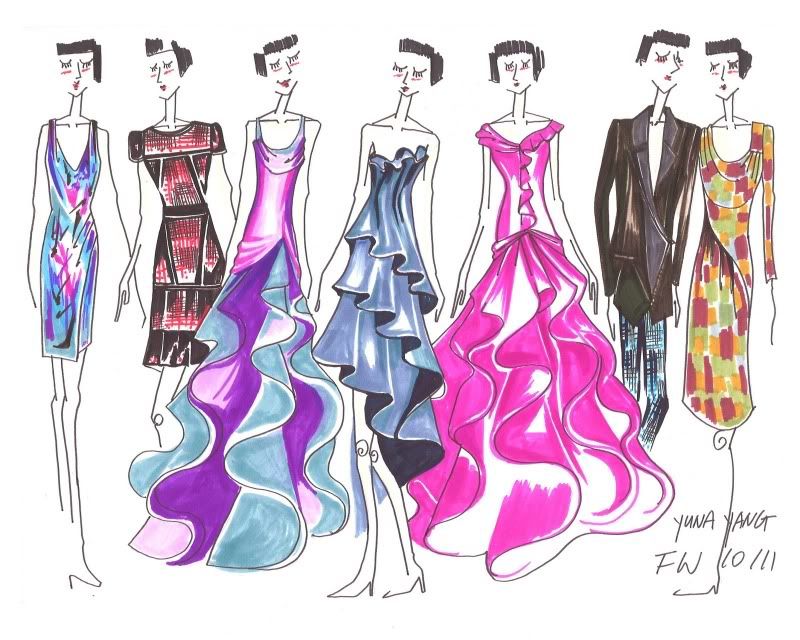
Fashion inspired by the 1930s silents' doll-face and self-proclaimed "pet ocelot" herself, Louise Brooks.

Yuna Yang's fall 2010 line and her quote:

"With her forward thinking fashion sense, her clothes became an external representation of her innovative and liberal spirit. Lulu's fashion heralded the emergent role of women in society, part of the twentieth century's momentum that would give rise to feminism, women's liberation and its corollary, ready-to-wear fashion."

Here here.


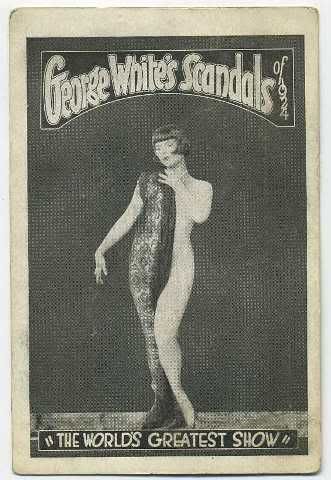
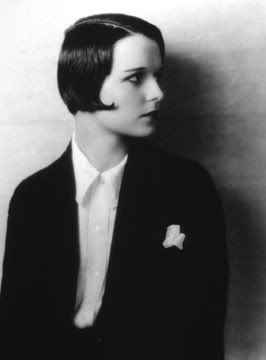
Ironically, LB often thought she looked Sapphic, once complaining to author Kevin Brownlow that he'd followed a photograph of Greta Garbo "with that dyke photo of me" [pictured below]. He replied saying, "I love that picture of you. Far from being Dyke, I think it's terribly sexy." Her response?

"Whatever makes you think being dyke is not being sexy? On the contrary, it is double sexy. Same with boys."

...appropriate since boyish tailoring and its accompanying feminist stigmas are now extremely celebrated in women's fashion [i.e. boy. by Band of Outsiders...♥].


Literary quotes from Louise Brooks by Barry Paris, of which I'm proud to say I am finally finishing all 550 pages this weekend!

Wednesday, December 22, 2010

My wishlist:


The Double: A Petersburg Poem by Fyodor Dostoevsky [because I've tried and failed to read it for free online...there's something about page turning I just can't give up]. Juicy Couture Lovergirl eyeglasses [for the reading, of course]. American Eagle Fair Isle sweater [for to be warm whilst reading].

Wednesday, December 15, 2010

For English Lit Nerds Like Me.

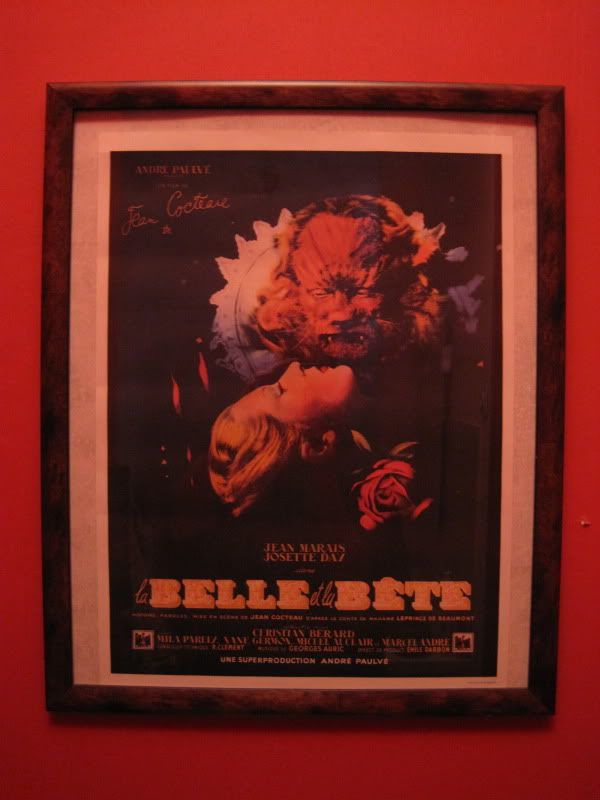
I just love when my blog posts can [somewhat] unintentionally relate to each other in theme. After seeing Beauty and the Beast on stage the other night, Rach asked if I'd ever seen the French film version, La Belle et La Bete.  I responded with an enthusiastic "YES" and immediately had imagery running through my mind of Jean Cocteau's ethereal palace gardens and monstrous shadow lighting.

This then brought to mind the poster on Veronique's red bathroom wall in her little apartment in Paris - a place I once called home.


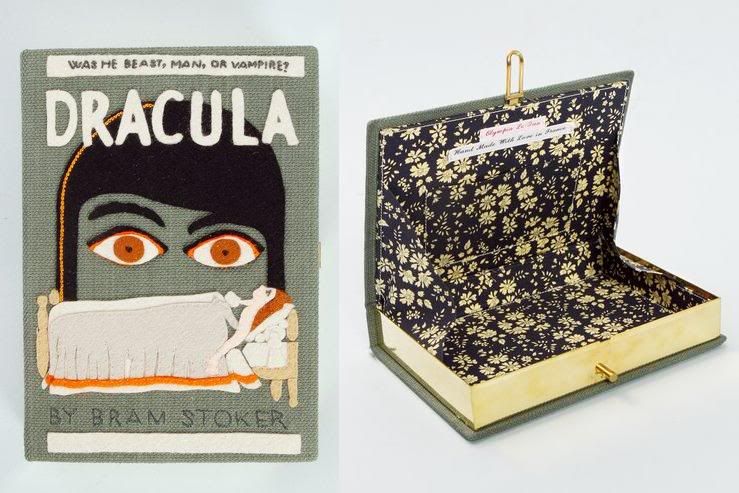
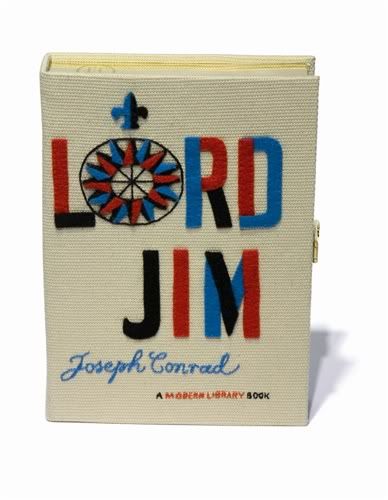
The next day I fortuitously came across this pic of an adorable literary clutch by Olympia Le Tan, carried around Paris during this year's fashion week [thus making me all the more nostalgic]...


...and searched to find that Le Tan's collection is more vast than a classics fiend such as myself could ever have dreamed or imagined.

[Never mind, of course, that they're $1450 a pop.]


And to wrap up my relative series of artistic and cultural interests, it just so happened that Natalie P. toted a Lolita (her first on-screen role) to the premiere of Black Swan, the latest film that I've seen and so been obsessed with since the release of its trailer two and a half months ago [review blog to come soon.]


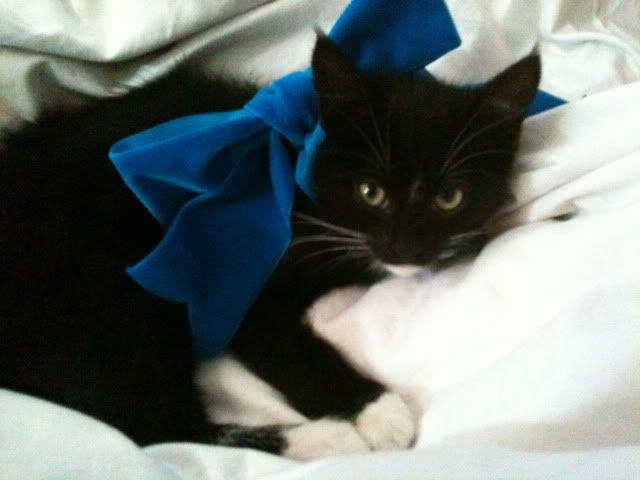
Le Tan even has a cute kitty that reminds me of a street cat I know named Boots.
But this one's name is Fritz.

Look at that bow...this woman is great.


Oh Fritz.